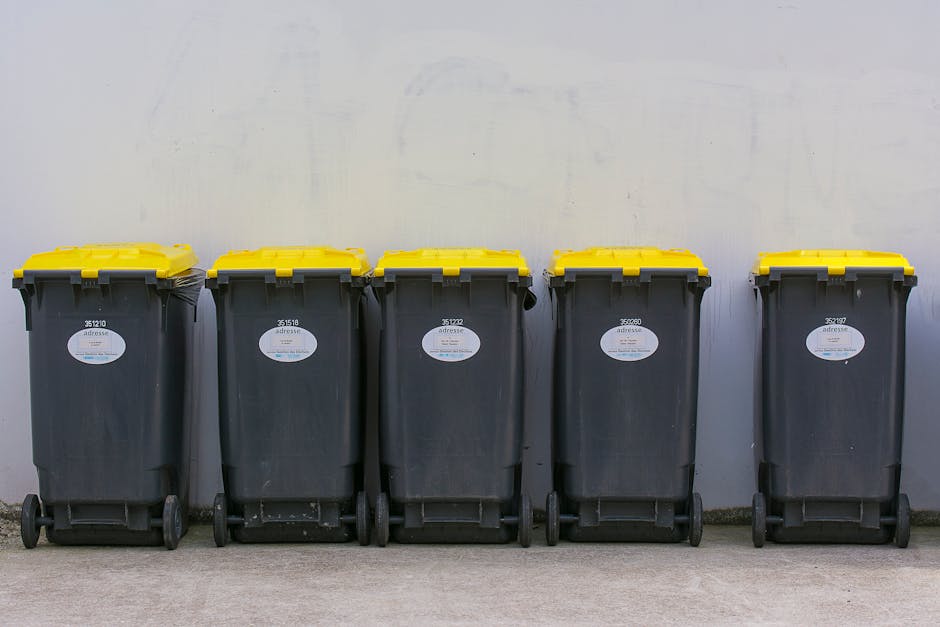
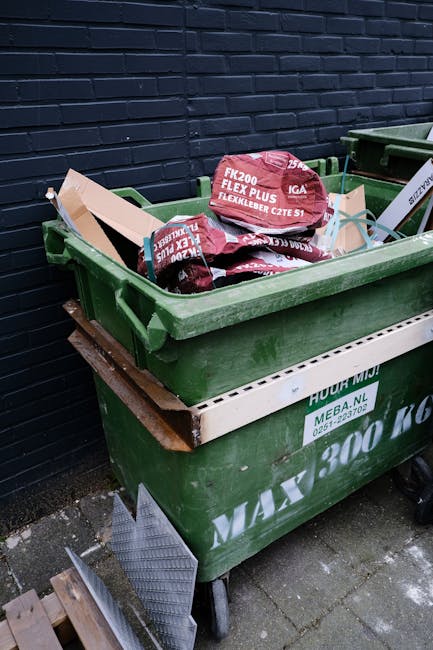
Plumstead business rubbish collection: trade quotes
If you run a shop, workshop, office, cafe, salon, or light industrial unit in Plumstead, rubbish has a way of piling up faster than you expect. One week it is cardboard and packaging. The next it is broken shelving, old desks, mixed office clutter, or a builder's skip-worth of offcuts after a small refit. That is where Plumstead business rubbish collection: trade quotes becomes useful. It is the practical route to getting a clear price for commercial waste clearance, without the guesswork, and without turning a busy workday into a disposal headache.
In this guide, we will walk through how trade quotes usually work, what affects the price, how to compare options properly, and which details matter if you want a collection that is efficient, compliant, and decent value. Nothing fluffy. Just the stuff that helps you make a good decision first time round.
Quick takeaway: A good trade quote should be clear about what is being removed, how much there is, whether lifting is included, and what happens to the waste afterwards. If any of that is vague, ask again.
Table of Contents
- Why Plumstead business rubbish collection: trade quotes Matters
- How Plumstead business rubbish collection: trade quotes Works
- Key Benefits and Practical Advantages
- Who This Is For and When It Makes Sense
- Step-by-Step Guidance
- Expert Tips for Better Results
- Common Mistakes to Avoid
- Tools, Resources and Recommendations
- Law, Compliance, Standards, or Best Practice
- Options, Methods, or Comparison Table
- Case Study or Real-World Example
- Practical Checklist
- Conclusion
- Frequently Asked Questions
Why Plumstead business rubbish collection: trade quotes Matters
For a business, rubbish is not just clutter. It affects safety, first impressions, storage space, and sometimes day-to-day trading. A back office full of archive boxes and broken furniture slows people down. A shop stockroom with old fixtures can make deliveries awkward. A refurbishment site with waste left in corridors? That is when everyone starts muttering, usually while stepping around a bin bag they definitely should not be stepping around.
That is why trade quotes matter. A proper quote gives you a realistic idea of cost before the collection happens. It helps you compare providers on more than price alone. You can look at punctuality, loading included, recycling approach, access conditions, and whether the job is being planned around your opening hours. For Plumstead businesses, that practical clarity is often worth as much as the collection itself.
There is also a local angle. Commercial properties in and around Plumstead vary a lot: small retail units, offices above shops, trade premises, managed buildings, and mixed-use spaces. Waste removal in those settings is rarely one-size-fits-all. A quote that is based on an actual description of the waste, rather than a guess, is usually the better route.
If you are already comparing services, it may help to review the wider business waste removal service alongside the quotation process. That gives you a fuller picture of how the collection fits into ongoing operations, not just a one-off clearance.
How Plumstead business rubbish collection: trade quotes Works
Most trade quote processes are refreshingly simple when handled well. You explain what needs removing, the provider assesses the job, and you receive a price based on volume, type of material, access, labour, and disposal requirements. Sounds easy. In reality, the quality of the quote depends on the quality of the information you give.
In many cases, the provider will want to know:
- what kind of waste you have
- roughly how much there is
- whether it is loose, bagged, stacked, or bulky
- where it is located in the building
- whether there are stairs, narrow corridors, or restricted parking
- any items that need special handling
- your preferred collection time
Some businesses can send photos, which is often the easiest way to get a realistic trade quote. A few clear images of the waste in context can save a lot of back-and-forth. For example, a photo of six mixed office chairs in a reception area tells a much more accurate story than "a few chairs" ever could.
A trade quote may be fixed, estimated, or conditional. A fixed quote is based on the job as described. An estimated quote may change if the load is larger than expected on arrival. Conditional pricing usually depends on access, weight, or waste type. The best providers explain this upfront, not after they have already loaded the van.
For one-off clearances, you may also want to look at related services such as waste removal or, if your premises includes office furniture and old workstations, office clearance. That can make the quote more accurate because the service is matched to the actual job.
Key Benefits and Practical Advantages
A good trade quote does more than give you a number. It helps you plan properly. That may sound obvious, but businesses often underestimate how much smoother things run when disposal is sorted in advance.
- Budget control: You can plan spend before the collection, which matters for SMEs and multi-site operators alike.
- Less disruption: A defined slot and an agreed price reduce the chance of delays or repeated visits.
- Better space management: Clearing stored waste frees up room for stock, equipment, or staff movement.
- Cleaner working environment: Less waste means fewer obstructions, less dust, and a tidier customer-facing space.
- More confident decision-making: You can compare like for like, instead of comparing a vague "starting from" price with a fully inclusive one.
- Improved compliance awareness: A proper quote often encourages the right questions about waste handling and documentation.
And yes, there is a quieter benefit too: peace of mind. When rubbish is getting in the way of trading, being able to tick it off the list is oddly calming. Not glamorous, perhaps, but very real.
If your waste stream includes mixed items, it can be helpful to understand what can be segregated or recycled. The page on recycling and sustainability is a useful companion when you are thinking beyond the immediate collection and towards what happens after the truck leaves.
Who This Is For and When It Makes Sense
Trade quotes are not only for large firms. In fact, smaller businesses often benefit the most because every pound counts and every square metre of space matters.
This approach makes sense if you are:
- clearing out an office, store room, or back-of-house area
- replacing furniture, shelving, or fixtures
- dealing with packaging waste after stock delivery
- preparing for a refit or fit-out
- emptying a unit before handing it back
- handling mixed waste from repairs or maintenance work
- trying to avoid a skip on-site because access is tight or time is limited
It also suits businesses that cannot afford to wait. Maybe you are opening a new site in a couple of days. Maybe the landlord has given you a deadline. Maybe the smell from old waste in a service area is starting to annoy everyone, and quite rightly so.
If your business generates refurbishment or contractor waste, the builders waste clearance service may be relevant too. That is especially useful when the load includes broken plasterboard, timber, packaging, or mixed material from small works rather than a full construction project.
Step-by-Step Guidance
If you want a sensible trade quote, work through the process in order. It saves time and it usually improves the accuracy of the price.
- List what needs removing. Separate furniture, bagged waste, electricals, cardboard, and any rubble or site waste.
- Estimate the amount. Think in practical terms: one van load, a few bulky items, a corner of a storage room, or a full unit. If you are unsure, say so.
- Note access details. Stairs, lift access, loading bays, parking restrictions, narrow entrances, and time limits all affect the job.
- Take clear photos. Wide shots plus close-ups work best. A photo taken in daylight near a cluttered loading bay can tell you far more than a rushed phone snap indoors.
- Ask what is included. Loading, labour, sorting, disposal, and cleaning up are not always packaged the same way.
- Check timing. Confirm whether the collection can happen before opening, after closing, or during quieter hours.
- Request the final price logic. If the quote depends on volume or weight, ask how that is measured.
- Compare more than price. The cheapest quote is not always the best if it hides extra charges or causes delays.
A small but important point: if your waste is spread through several areas, walk the route before the collection day. People forget this all the time. Then the crew arrives, and suddenly the key is missing, the loading bay is blocked, and someone is on lunch. It happens.
Expert Tips for Better Results
Here is the part that usually saves people money or hassle, depending on how organised they are.
- Be specific, not approximate. "Old office furniture" is too broad. "Six desks, four office chairs, one metal filing cabinet, and three sacks of paper waste" is much better.
- Separate recyclable material where possible. Clear segregation can make the process more efficient and sometimes simpler to quote.
- Tell the provider about awkward access early. A fourth-floor walk-up with no lift is not a surprise worth springing on anybody.
- Ask about same-day or next-day options only if you really need them. Urgency can affect pricing and availability.
- Confirm the final handover point. Who meets the collection team? Who signs off the work? Keep that decision simple.
- Think in terms of disruption, not just removal. A slightly higher quote that avoids downtime can be the better business choice.
One more thing. If the quote is unusually low, ask yourself why. Is it excluding loading? Is it based on a tiny estimate? Or is it simply too good to be true? That old rule still applies, annoyingly enough.
For businesses with mixed stock and stored items, you may also find it useful to browse furniture clearance and furniture disposal. Those services can be particularly relevant if you are replacing reception pieces, desks, shelving, or meeting room furniture as part of a wider refresh.
Common Mistakes to Avoid
Most quote problems are avoidable. The trouble is, they are usually the result of small omissions rather than dramatic disasters.
- Being vague about the waste: "Some rubbish" is not enough information for a reliable trade quote.
- Ignoring access issues: Tight corners, flights of stairs, and parking constraints all affect labour time.
- Comparing only headline price: The cheapest number can hide extra charges for loading or sorting.
- Leaving items unmentioned: Extra waste discovered on arrival may change the quote.
- Not checking collection timing: A good price is no use if the slot clashes with deliveries, customers, or staff breaks.
- Assuming all waste is treated the same: Different materials can need different handling, and that affects the job.
Sometimes the mistake is even simpler: nobody has actually cleared a path to the waste. The crew arrives, starts moving boxes, and then discovers the old filing cabinet is behind a stack of stock that was meant to be "moved earlier." Not ideal.
Tools, Resources and Recommendations
You do not need specialist software to request a good quote, but a few simple tools help a lot.
- Phone camera: Take wide-angle photos of each waste area.
- Short inventory list: Jot down item types, rough counts, and anything unusually heavy or fragile.
- Measuring tape: Useful for bulky furniture, stacked materials, or access points.
- Simple site note: Write down parking details, loading restrictions, or building entry instructions.
- Calendar reminder: Keep the collection slot visible to the person managing the site on the day.
If you are deciding whether the waste is commercial rubbish, general clutter, or something tied to an office changeover, it can help to review the broader pricing and quotes information before you request the job. That way, you will know what detail matters most and how the provider is likely to price the work.
And if safety or insurance questions are on your mind, that is fair enough. You can also look at insurance and safety and the site's health and safety policy to get a better sense of the standards being followed. Not glamorous reading, granted, but useful.
Law, Compliance, Standards, or Best Practice
For business waste, compliance is not something to shrug at. In the UK, businesses are generally expected to manage their waste responsibly, use appropriate carriers, and keep sensible records where needed. The exact obligations can depend on your sector, the type of waste, and how often you generate it. If you are ever unsure, it is better to ask than to guess.
Best practice usually includes:
- using a waste collection service that can explain how materials are handled
- keeping clear notes on what was removed and when
- separating recyclable material where practical
- avoiding fly-tipping risk by choosing a legitimate collector
- making sure staff know where waste should be stored before collection
There is also the practical side of duty of care. Even if you are only arranging a small one-off collection, you want confidence that the waste is being dealt with properly and not dumped somewhere awkward later. Nobody wants that phone call. Nobody.
Documentation, payment clarity, and transparent terms are all part of good business practice too. If you want to understand how the provider approaches those topics, the pages on terms and conditions, payment and security, and modern slavery statement can help build trust before you book.
Options, Methods, or Comparison Table
There is more than one way to deal with business rubbish. The best choice depends on time, volume, access, and how much effort you want to put in yourself.
| Option | Best for | Pros | Trade-offs |
|---|---|---|---|
| Trade quote with collection | Businesses wanting an all-in service | Fast, convenient, labour included, good for mixed loads | Usually priced higher than self-managed disposal |
| Skip hire | Sites with space and ongoing waste | Useful for larger ongoing waste streams | Needs space, permits, and loading effort from your team |
| Self-haul to disposal point | Very small loads and flexible teams | Can be economical for minor waste | Time-consuming, vehicle dependent, and not ideal for bulky items |
| Scheduled commercial waste service | Regular waste generation | Predictable and routine | Less suited to one-off clearances or sudden changeovers |
For many Plumstead businesses, the trade quote route wins when the load is awkward, bulky, or time-sensitive. If you have a one-off office clean-out, for example, it is often simpler to have the waste lifted and removed in one visit rather than juggling bins, vehicles, and staff time.
Case Study or Real-World Example
Picture a small professional office in Plumstead that has been slowly accumulating old monitors, storage boxes, broken chairs, and duplicate filing cabinets after a desk reorganisation. Nothing dramatic, just that familiar sort of clutter that appears gradually and then suddenly seems to own the room.
The manager gathers a few photos, lists the items, and notes that the office is on the first floor with stair access only. The provider gives a trade quote based on mixed office waste, labour for carrying items downstairs, and the need to work around a short morning window before clients arrive.
On collection day, the team clears the load in one visit. The office gets back a cleaner meeting room, the reception area stops feeling cramped, and the manager can stop apologising to staff for the pile in the corner. It is a small win, but in business, small wins matter. Especially when they arrive before 9 a.m. and with no drama.
That is the real value of a well-handled trade quote: less uncertainty, fewer interruptions, and a result that feels straightforward rather than stressful.
Practical Checklist
Use this before you request or confirm a quote:
- Identify exactly what needs removing
- Separate furniture, general waste, cardboard, and special items
- Estimate the volume as clearly as you can
- Take good photos from several angles
- Note stairs, lifts, parking, and access restrictions
- Confirm collection timing and site contact
- Ask what the quote includes
- Check whether recycling or sorting is part of the service
- Review payment terms before booking
- Keep the access route clear on the day
If you are dealing with broader domestic-style clearances for staff housing, flats, or mixed-use premises, related pages such as house clearance, flat clearance, garage clearance, or loft clearance may also help you understand how different load types are priced and handled.
Conclusion
Getting the right trade quote for business rubbish collection in Plumstead is really about clarity. The clearer the waste description, the better the quote. The better the quote, the less chance of delays, hidden costs, or awkward surprises on the day. And that matters, because business waste is never just about rubbish. It is about time, space, safety, and keeping work moving.
Whether you are clearing a single office, preparing a unit for handover, or just trying to get a back room back under control, a careful quote process gives you a much stronger starting point. Ask the right questions, compare like for like, and choose the option that fits the real job rather than the cheapest headline. Simple enough, though not always simple in practice.
Get a free quote today and see how much you can save.
When the clutter is gone and the floor space opens up again, you notice it straight away. Quieter room. Clearer head. Better day.
Frequently Asked Questions
What should I include when asking for a business rubbish collection quote?
Include the type of waste, approximate quantity, access details, collection location, and any time restrictions. Photos help a lot. The more specific you are, the more reliable the quote is likely to be.
How is a trade quote usually calculated?
It is normally based on volume, waste type, labour, access, and disposal requirements. Some jobs are priced as fixed quotes, while others are estimated and may change if the load is larger than described.
Is it cheaper to hire a skip or get a trade collection?
That depends on the job. A skip can work well if you have space and staff to load it yourself. Trade collection is often better for bulky, mixed, or time-sensitive waste because the labour is included.
Can I get a same-day quote for business rubbish collection in Plumstead?
Often, yes. If you provide clear photos and a short description of the waste, many providers can give a quick quote. Same-day collection may also be possible if schedules allow.
What types of business waste are commonly collected?
Common items include office furniture, packaging, cardboard, fixtures, shelving, general rubbish, and refurbishment waste. Some items may need special handling, so always mention anything unusual.
Do I need to sort the waste before collection?
Not always, but it helps. Separating cardboard, furniture, and mixed rubbish can make the process easier and sometimes more cost-effective. If you cannot sort it, just say so upfront.
What if my business premises has awkward access?
Tell the provider in advance if there are stairs, lifts, parking limits, long carry distances, or narrow entrances. Access affects labour time and can influence the final price.
Is business waste collection suitable for office clear-outs?
Yes, very much so. It is a practical option for clearing desks, chairs, filing cabinets, storage items, and general office clutter. For larger jobs, office-specific clearance is often the cleanest fit.
How do I know if a quote is fair?
Compare several quotes and make sure they cover the same scope. A fair quote should explain what is included, how the price is calculated, and whether there are extra charges for access or additional waste.
What should I ask before confirming the booking?
Ask what is included in the price, how the collection will be carried out, whether recycling is considered, what payment methods are accepted, and what happens if the load turns out to be bigger than expected.
Can trade quotes help with compliance and waste handling?
Yes. A good quote process encourages the right questions about who is collecting the waste, how it will be handled, and whether the service follows sensible business waste practice. That is useful from a trust and compliance point of view.
What is the best next step if I am ready to clear waste from my Plumstead business?
Make a short list of items, take a few photos, and gather access details before requesting a quote. That usually gets you the most accurate price and the smoothest collection experience.
Do I need a special service for furniture and bulky items?
Not always, but bulky items are often best handled through a clearance service that includes lifting and loading. If your waste includes desks, chairs, or cabinets, furniture-specific help can make the process easier.
Where can I learn more about the company before booking?
You can read more about the business on the about us page and check practical details such as policies and service information before deciding.