How to Minimize Expenses When Handling Bulky Waste Items
How to Minimize Expenses When Handling Bulky Waste Items
Dealing with bulky waste - such as old furniture, mattresses, appliances, and other large items - can be a daunting and costly task if not approached strategically. Fortunately, there are several effective methods to minimize expenses when handling these large-scale waste items. This comprehensive guide will explore practical ways to save money, reduce environmental impact, and effectively manage the bulky waste removal process in your home, business, or community.
Understanding Bulky Waste: What Qualifies and Why Costs Add Up
Before diving into cost-saving strategies, it's important to understand what bulky waste items are. Generally, bulky waste refers to large, heavy items that are too big for regular trash bins or collection vehicles:
- Old sofas, beds, wardrobes, tables, and large pieces of furniture
- Major appliances (refrigerators, washing machines, ovens)
- Mattresses, bed frames, carpets, and rugs
- Garden waste like large branches, logs, or garden furniture
- Large electronics (TV sets, audio systems, computers)
Handling these items can be expensive for several reasons:
- Specialized transportation and labor are often required for pickup.
- Landfill and transfer station fees may apply to large or heavy loads.
- Some items, like appliances or e-waste, need special disposal due to hazardous components.
- Municipal collection services for bulky waste are sometimes limited or unavailable.
Minimizing expenses when dealing with bulky waste requires a strategic approach, combining proper planning, reuse or recycling options, and choosing cost-efficient removal methods.
1. Plan Ahead and Sort Your Bulky Waste
Inventory and Categorize Your Large Waste Items
Before arranging pickup or disposal, take inventory of all your bulky items. Organize them by:
- Condition (usable, repairable, or completely broken)
- Material type (wood, metal, cloth, electronics, plastic, appliances)
- Potential for recycling or reuse
Benefits of Sorting and Assessing
- You might discover that some items can be sold, donated, or repurposed (saving on disposal fees).
- Sorting ensures recyclables or hazardous items are handled correctly, preventing additional charges for improper disposal.
- Well-organized waste loads are quicker and cheaper to transport.
Tip: Many municipalities or removal companies charge by volume or number of items - consolidating and stacking items efficiently reduces costs.
2. Reuse, Repurpose, or Donate Usable Items
Give Items a Second Life
One of the best ways to save money on bulky item disposal is to avoid it altogether. Ask yourself: Are any of these items still functional or easily repairable?
- List unwanted furniture or appliances on online marketplaces (Facebook Marketplace, Craigslist, eBay).
- Contact local charities, shelters, or community groups who may arrange free pickup for items in good condition.
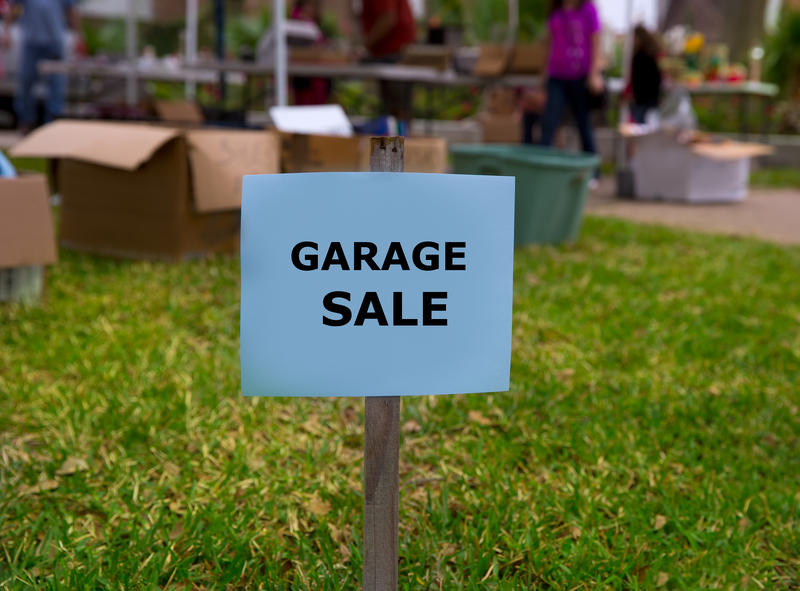
- Host a garage sale or offer items to neighbors for free--often, items disappear quickly.
Creative Repurposing
- Old wood furniture can be upcycled or reworked into shelving, planters, or pet houses.
- Broken appliances may be stripped for parts or scrap metal value.
Every item diverted from your waste pile means less to pay for removal, while also benefiting others or reducing landfill pressure.
3. Take Advantage of Local Bulky Waste Collection Services
Municipal Collection Options
Most cities and towns offer periodic bulk waste pickup days or allow households a certain number of annual collections free of charge or at reduced rates.
To maximize savings:
- Check your local government website for scheduled bulky waste collections.
- Register early and adhere strictly to pickup guidelines (some municipalities impose fines for improper set-outs).
- Ask about discounts or exemptions for seniors, low-income households, or community clean-up initiatives.
Drop-Off Centers
Local recycling centers or transfer stations may accept specific bulky waste items for little or no charge, especially:
- Appliances (sometimes incentivized with rebates for energy-efficient replacements)
- Mattresses, electronics, or scrap metal
- Yard waste and certain construction materials
Transporting items directly can bypass collection fees, but this only makes sense if you can safely move your items and factor in transportation costs.
4. Partner with Neighbors and Community for Group Disposal
Bulk Up and Save
One of the best ways to minimize bulky waste expenses is to pool resources. If several households schedule a pickup or rent a dumpster together, the cost per person can drop dramatically.
- Consider organizing a neighborhood cleanup event and splitting a dumpster rental fee or truckload charge.
- Coordinate with your HOA or local council for community clean-out days--these often partner with waste contractors for negotiated rates.
Benefits of Community Coordination
- Lower cost per item or per tonnage rate
- Improved efficiency (shared labor and transportation)
- Opportunities for donation or recycling increase when more items are gathered at once
Pro Tip: Post in community apps or bulletin boards to find others with bulky items - you'll be surprised by how many are in the same situation!
5. DIY Approaches: Transport and Disposal
Moving Bulky Items Yourself
If you have access to a large vehicle (pickup truck, van, or trailer), you can save substantial fees by transporting items to designated facilities directly. Ensure you:
- Review the facility's rules for non-commercial drop-offs - some require proof of residency or charge by weight.
- Sort items--yields faster and sometimes cheaper unloading (e.g., separating metals from general waste).
- Borrow moving equipment like dollies or tie-downs to ensure safe transport.
Hidden Costs to Consider
- Fuel expense and time commitment
- Possible vehicle wear-and-tear or rental charges
- Dumping fees at certain waste centers
For those able to move heavy items safely and have access to the right tools or vehicles, DIY bulk waste removal can cut costs, although always weigh the risks and potential savings.
6. Compare Bulky Waste Removal Services for Best Rates
Shopping Around Pays Off
Many private companies specialize in bulky item collection and disposal. Prices can vary widely, so:
- Get quotes from multiple operators: Look for transparent pricing based on volume, weight, or number of items.
- Ask about minimum charges and fees: Some have hidden fees for stairs, distance, or specific hazardous items.
- Review included services: Some companies will remove items from inside your home, while others require curbside loading.
- Eco-friendly options: Some companies prioritize recycling or donation and may offer discounts for sorted/recyclable items.
Don't be afraid to negotiate or mention competitor rates - many companies are willing to match or beat prices, especially for repeat customers or larger removals.
7. Recycle Where Possible and Know the Laws
Recycling Bulky Waste
Many materials, especially metals, wood, and electronics, can be recycled. Some recycling centers offer payment or free drop-off for certain items:
- Scrap metal yards often take appliances, bed frames, and even old bikes for free or by weight.
- Electronics recycling programs accept TVs, computers, and similar for safe, eco-friendly disposal.
- Mattress recycling facilities deconstruct and reuse components, sometimes offsetting landfill fees.
Check online for "recycle large items near me" to find local opportunities.
Be Aware of Regulations and Avoid Fines
Some items (like refrigerators or TV sets) can't be left in landfills due to hazardous materials (refrigerants, mercury, etc.). Disposing of bulky waste in unauthorized places can incur significant fines. Always:
- Consult your municipality's bulky waste guidelines
- Use only licensed disposal sites
- Keep receipts for proof of legal disposal, especially for appliances and e-waste
8. Rent the Right Size Dumpster or Bag
Get What You Need
If you have multiple large items or are undertaking a DIY renovation or major cleanout, renting a dumpster can be cost-effective. Choose the right size:
- Too small and you'll overpay for additional hauls
- Too large and you're paying for unused capacity
For smaller loads, waste bag services (like Bagster) offer a budget-friendly alternative - you buy the bag and pay one pickup fee. Compare rates and sizes to ensure you're optimizing your disposal spend.
9. Avoid Common Mistakes That Increase Bulk Waste Costs
Key Pitfalls to Sidestep
- Not sorting waste, leading to higher fees (mixed loads are often surcharged)
- Ignoring local free collection days
- Dumping illegally, risking expensive fines
- Paying for disposal of items that could have been sold, donated, or recycled
- Waiting until the last minute and paying "rush" or emergency removal fees
10. The Environmental Bonus for Smart Bulk Waste Management
Minimizing expenses when handling bulky waste items doesn't just save money. Each step - from reuse to recycling - also takes pressure off landfills, reduces greenhouse gas emissions, and conserves valuable resources.
- Donating usable items supports social programs and assists low-income families.
- Recycling keeps hazardous materials out of the environment.
- Group disposal minimizes transportation emissions and landfill impact.
Being cost-conscious and eco-friendly often go hand in hand when it comes to responsible bulk waste management.
Conclusion: Minimize Expenses, Maximize Results
Handling bulky waste doesn't need to be a financial burden. By planning ahead, exploring reuse and recycling, taking advantage of municipal programs, and choosing the most cost-effective removal solutions, you can minimize your bulky waste expenses efficiently. Always consider the environmental impact and the laws in your area to avoid unnecessary costs or penalties. With a little preparation and community cooperation, bulky waste removal can be affordable, responsible, and even beneficial for your local area.
Remember: Each item you keep out of the landfill not only saves you money but helps build a more sustainable future. Take charge of your bulk waste, cut costs, and make a positive impact today!
