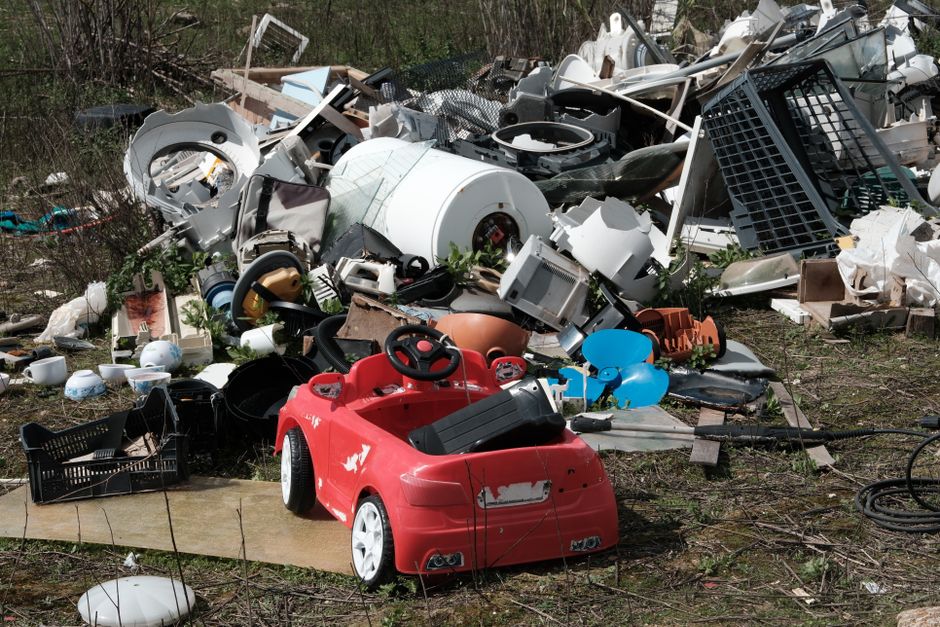
Greenwich Council fines for illegal dumping in Plumstead: what residents and businesses need to know
If you have seen a fly-tipped mattress on a side street, a black bag pile near a bin store, or a van unloading waste after dark, you will know how quickly illegal dumping can spoil a part of Plumstead. The subject of Greenwich Council fines for illegal dumping in Plumstead is not just about penalties. It is about keeping local streets safer, cleaner, and less stressful for everyone who lives or works there.
For households, landlords, tradespeople, and small businesses, the bigger question is often simple: what counts as illegal dumping, what can the council do about it, and how do you avoid ending up with a fine yourself? This guide breaks it all down in plain English. You will get the practical basics, the risks to watch for, and the sensible steps that usually prevent problems before they start. And yes, a bit of common sense goes a long way here.
Where waste needs to be removed properly, using a trusted service such as professional waste removal can save a lot of hassle later. Truth be told, it is often cheaper than dealing with a mistake after the fact.
Table of Contents
- Why Greenwich Council fines for illegal dumping in Plumstead Matters
- How Greenwich Council fines for illegal dumping in Plumstead Works
- Key Benefits and Practical Advantages
- Who This Is For and When It Makes Sense
- Step-by-Step Guidance
- Expert Tips for Better Results
- Common Mistakes to Avoid
- Tools, Resources and Recommendations
- Law, Compliance, Standards, or Best Practice
- Options, Methods, or Comparison Table
- Case Study or Real-World Example
- Practical Checklist
- Conclusion
- Frequently Asked Questions
Why Greenwich Council fines for illegal dumping in Plumstead Matters
Illegal dumping, often called fly-tipping, is more than an eyesore. In Plumstead, it can block pavements, attract pests, make narrow streets harder to navigate, and create an immediate sense that nobody is looking after the place. That feeling matters. Once rubbish starts appearing in one spot, more tends to follow. Let's face it, one fly-tip can make a tidy road feel neglected by the next morning.
Greenwich Council fines matter because they are one of the few tools local authorities have to deter repeat dumping and protect shared spaces. They also send a clear message: waste has to be handled properly, and the responsibility does not disappear just because it is inconvenient.
For residents, the impact is personal. You may have to step around broken furniture, fly-tipped builders' bags, or old office chairs on your way to the station or the shops. For businesses and landlords, the consequences can include complaints, extra clearance costs, and reputational damage. A messy frontage is never a good look, especially in a busy London neighbourhood where people notice everything.
Expert summary: fines are only part of the picture. The real cost of illegal dumping is the time, disruption, and stress it creates for the person who caused it, and for everyone else nearby.
If you are dealing with bulky waste, mixed items, or a clear-out that has grown arms and legs, it is often worth looking at services like home clearance or house clearance before the pile becomes unmanageable.
How Greenwich Council fines for illegal dumping in Plumstead Works
In practical terms, councils investigate dumped waste, try to identify who left it, and then decide what enforcement action is appropriate. That may include a fixed penalty, a warning, a request to remove the waste, or escalation if the offence appears serious or repeated. Exact procedures can vary, so it is wise not to assume every case ends the same way.
The council may look for names, addresses, business paperwork, delivery labels, or other items in the waste. A receipt in a bag of rubbish is not a magic trick, but it can be enough to raise questions. If a private contractor has handled the waste, records can matter too. This is why keeping proper paperwork is not just tidy admin; it can protect you later.
Illegal dumping is different from placing waste out at the wrong time or in the wrong way. Still a problem, of course, but not always the same thing legally. A sofa left on a pavement with no collection arranged can create enforcement issues, even if the person thought they were being helpful. The council looks at behaviour, responsibility, and the evidence available.
Householders should also be careful when paying someone cash in a car park or handing waste over to an unknown collector. If that waste is then dumped, it can come back to you. That is the part many people miss. It is not always the person who physically dumped the waste who ends up under scrutiny first.
For larger or mixed loads, especially after renovations or relocations, arranging a proper clearance through builders waste clearance or office clearance can be a much safer route than trying to improvise.
Key Benefits and Practical Advantages
It may sound odd to talk about benefits in a topic like fines, but there are real advantages to understanding how enforcement works. Knowledge helps you avoid mistakes, handle waste responsibly, and make faster decisions when a problem appears.
- Lower risk of penalties: you are less likely to hand waste to the wrong person or leave it in a way that creates a breach.
- Cleaner streets and shared spaces: legal disposal supports a better local environment for everyone.
- Less stress during clear-outs: knowing what to do with bulky or awkward waste takes pressure off the job.
- Better evidence and records: if you use a proper service, receipts and documentation can be useful.
- More predictable costs: a planned clearance is far easier to budget for than a fine plus emergency removal.
There is also a quieter benefit: peace of mind. That sounds a bit soft, maybe, but when you are clearing a flat, sorting a garage, or dealing with end-of-tenancy rubbish, you do not want that nagging worry in the back of your head. Did I do this properly? Will it come back on me? A clear process removes a lot of noise.
For many people, the real advantage is simply doing things once and doing them well. Use the right route, keep the right records, and move on.
Who This Is For and When It Makes Sense
This topic matters to more people than you might expect. Illegal dumping and council fines are not just a "someone else's problem" issue. In Plumstead, the people most likely to benefit from understanding it are:
- Homeowners and tenants clearing old furniture, broken appliances, or renovation waste.
- Landlords and letting agents who need to deal with abandoned items after a move-out.
- Tradespeople and builders handling rubble, timber, plasterboard, and packaging.
- Small businesses getting rid of office furniture, stock, archive waste, or end-of-lease items.
- Households with limited space where rubbish starts to stack up in a hallway, loft, or garage.
It also makes sense if you are unsure whether a load of waste is covered by normal collection arrangements. Sometimes people think, "I'll just leave it outside and it will be gone by morning." That can work against them very quickly. Better to plan it properly.
For example, after a house move, a family might have a broken wardrobe, old mattresses, and several bags of mixed rubbish. That is the sort of situation where flat clearance or garage clearance can be far more practical than piecemeal disposal. Same for a cluttered loft where no one wants to spend the whole weekend dragging dusty boxes downstairs. Been there, done that, no thanks.
Step-by-Step Guidance
If you want to avoid fines, delays, or a waste problem turning into a bigger headache, follow a straightforward process.
- Identify the type of waste. Is it household rubbish, furniture, garden cuttings, trade waste, or mixed material? The type matters because disposal options differ.
- Separate reusable, recyclable, and non-recyclable items. This makes the job easier and often reduces disposal volume.
- Check whether the items are bulky or specialist waste. Fridges, paints, rubble, and electricals can need extra care.
- Use a legitimate collection method. That could be council collection, a licensed clearance provider, or a suitable recycling route.
- Keep a record. Save booking details, invoices, and any confirmation you were given.
- Do not leave waste on the street unless collection is arranged. Even if other people do it, that does not make it a good idea.
- Follow up if something goes wrong. If waste was collected by a third party and later dumped, your records will be important.
A simple example helps. Suppose you are clearing an office in Plumstead and the room contains desks, chairs, box files, cables, and broken shelving. Rather than leaving it all in bags outside, it is better to arrange a proper office clearance or structured business waste removal. The first approach keeps control; the second can lead to complaints very quickly.
One small but useful habit: before a collection, take a few photos of the waste and keep the paperwork together. It takes two minutes. Sometimes those two minutes save a very long phone call later.
Expert Tips for Better Results
After many clear-outs, one pattern keeps showing up: the people who avoid problems are usually the ones who plan early and keep things simple.
- Do not rely on verbal promises. If a collector says they will take everything, make sure the arrangement is properly confirmed.
- Label items clearly. This matters for mixed loads where some things can be reused and others cannot.
- Keep waste on private property until collection. A driveway, garden, yard, or internal area is safer than a pavement or alleyway.
- Choose the right service for the job. Garden waste, construction waste, and furniture all have different handling needs.
- Ask about recycling and disposal methods. Responsible handling reduces risk and supports better environmental outcomes.
One useful local reality: in denser streets, items left out overnight can disappear in more than one sense. Someone may take them, someone may move them, and someone may dump more on top. Not ideal. Keeping control of the waste avoids a domino effect.
If the clear-out includes bulky household items, consider services such as furniture clearance or furniture disposal. If the work is outdoors or seasonal, garden clearance can help keep the load manageable.
Common Mistakes to Avoid
Most fines and waste problems come from a handful of avoidable mistakes. The good news is that they are usually easy to spot once you know what to look for.
- Assuming a waste collector is legitimate without checking. If there is no proper paper trail, be cautious.
- Leaving items on the pavement "for later". Later often becomes the council's problem, and then yours.
- Mixing different types of waste without planning. That can increase cost and complexity.
- Forgetting about fly-tipping responsibility. If your waste ends up dumped, you may still need to explain how it was handled.
- Ignoring bulky items because they are awkward. Awkward is not a plan.
- Not keeping records. No proof, no protection. Simple as that.
A common scenario goes like this: someone clears a shed, fills a van, hands it off cheaply, and assumes it is done. A week later, the waste is found dumped nearby. Then the questions start. Who collected it? What was agreed? Was there any evidence? It is a frustrating situation, and avoidable.
Another one: a landlord rushes to clear a flat after a tenant leaves, dumps old items in the back lane, and expects the area to "sort itself out." It rarely does. Using a proper house clearance or flat clearance route is usually cleaner, safer, and less stressful.
Tools, Resources and Recommendations
You do not need fancy equipment to deal with waste properly, but a few basics make a big difference.
- Heavy-duty gloves: helpful for broken items, sharp edges, and general grime.
- Reusable sacks or boxes: better than thin bags that split halfway down the stairs.
- Labels or marker pens: useful for separating recyclables, donation items, and rubbish.
- Phone camera: simple, but excellent for keeping a record of what was removed.
- Measurement rough notes: handy if you need a quote or want to estimate volume.
For businesses, good record-keeping is a major practical recommendation. Keep invoices, collection dates, and service notes in one folder. That way, if anyone ever asks how waste was handled, you are not searching through five email accounts and an old drawer, which is where these things usually end up.
If you are comparing disposal options, our pricing and quotes page can help you think through the cost side more clearly. And if environmental responsibility matters to you, the recycling and sustainability approach is worth reviewing as part of your decision.
Law, Compliance, Standards, or Best Practice
Because this topic involves penalties, property, and waste handling, it is worth being careful. The exact fines and enforcement steps can depend on the circumstances, the evidence available, and the council's current procedures. So, rather than guessing numbers or assuming one rule fits all, focus on the principles that usually matter in the UK.
Best practice means:
- making sure waste is handed to a responsible collector;
- keeping proof of transfer or collection where possible;
- not abandoning waste in public spaces;
- sorting waste appropriately before removal;
- using a service that treats health, safety, and disposal properly.
That last point is easy to overlook. Good waste practice is not just about avoiding fines. It is also about not creating risks for pedestrians, neighbours, cleaners, delivery drivers, or anyone else who has to walk past the mess. In a place like Plumstead, where streets can feel busy and close-knit, one bad load can affect a whole block.
For companies, standards around safe handling and responsible disposal are especially important. If you are clearing a workplace, it makes sense to use an organised service like business waste removal and to review practical expectations in health and safety policy terms. It is not glamorous. It is just smart.
Options, Methods, or Comparison Table
Different waste situations need different approaches. The table below gives a simple comparison of common options.
| Option | Best for | Pros | Watch out for |
|---|---|---|---|
| Council collection | Standard household waste and scheduled pick-ups | Familiar process, straightforward for some items | May not suit bulky, urgent, or mixed loads |
| Private clearance service | Bulky items, mixed clear-outs, awkward loads | Flexible, convenient, often faster | Choose carefully and keep records |
| DIY disposal | Small amounts when you have time and transport | Full control over the process | Time-consuming, physical effort, risk of error |
| Abandoning waste outside | Never a proper option | None worth having | High risk of fines, complaints, and fly-tipping issues |
In practice, the private clearance route is often the best fit for larger domestic jobs and small business clean-outs. For example, a landlord dealing with an abandoned sofa, a broken wardrobe, and a bag of mixed rubbish may find a planned loft clearance or wider property clearance much easier to manage than trying to separate everything by hand over the weekend.
And if you are emptying storage spaces or awkward corners, garage clearance can be a particularly practical middle ground. Not every job needs a massive operation. Sometimes it just needs the right one.
Case Study or Real-World Example
Here is a realistic local scenario. A small landlord in Plumstead has a flat to prepare for new tenants. The previous occupier left a broken bed frame, a table, several black bags, and a few loose bits in the communal area. The tempting shortcut would be to stack everything by the bins and hope the problem vanishes overnight. But that is exactly the kind of approach that can lead to complaints or enforcement attention.
Instead, the landlord arranges a proper clearance, documents what is collected, and keeps the area clear until the team arrives. The result is not dramatic. That is the point. No confrontation, no mystery, no extra rubbish appearing from nowhere at 6 a.m. the next morning.
Another example: a business office near the local high street is replacing desks and old filing cabinets. Staff are busy, so the temptation is to leave items in the car park. A better option is to arrange office clearance and have the load removed in one go. The office can keep working, the building stays tidy, and nobody has to wonder who is responsible if the items are moved or dumped later.
These examples may sound simple, because they are. The simplest approach is often the safest one.
Practical Checklist
Use this quick checklist before you move any waste.
- Have I identified exactly what needs removing?
- Is any of the waste bulky, sharp, hazardous, or hard to move?
- Do I know where it will go legally and safely?
- Am I keeping the waste on private property until collection?
- Have I got proof of collection or transfer?
- Have I separated reusable items, recyclables, and general waste?
- Is my chosen method suitable for the type of waste involved?
- Have I avoided handing the job to someone without proper details?
- Do I know who to contact if the collection goes wrong?
- Have I arranged the removal before the waste becomes a nuisance?
If you can tick those off, you are already ahead of a lot of the mistakes that lead to council fines. No need to overcomplicate it.
Conclusion
Greenwich Council fines for illegal dumping in Plumstead are a reminder that waste must be handled properly from the start. The cost of getting it wrong is rarely just the fine itself. There is the embarrassment, the time lost, the complaint from a neighbour, and the slow, tedious cleanup that follows. Nobody wants that.
The best way forward is usually the most ordinary one: plan your waste removal, keep records, use a responsible service, and do not leave items where they should not be. Whether you are clearing a home, a loft, a garage, or a business space, the same principle applies. Good handling now saves trouble later. Simple, really.
Get a free quote today and see how much you can save.
Frequently Asked Questions
What is considered illegal dumping in Plumstead?
Illegal dumping usually means leaving waste somewhere it should not be left, or passing it to someone who then dumps it unlawfully. That can include bags, furniture, builders' waste, and mixed rubbish.
Can Greenwich Council fine me if someone else dumped my waste?
It may be possible, depending on the evidence and how the waste was handed over. If you cannot show that it was collected properly, the council may still ask questions. Keeping records matters.
How do I avoid being fined for waste disposal mistakes?
Use a proper collection method, keep waste on private property until it is removed, and save any proof of collection or transfer. If in doubt, get advice before leaving anything outside.
Does fly-tipping include furniture left near the bins?
It can. Leaving furniture or bulky items near bins without arranged collection may be treated as unlawful dumping or a waste offence, depending on the circumstances.
What should I do if I find dumped rubbish outside my property?
Do not move it blindly if it could be unsafe. Take photos, note the location, and report it through the proper local route. If it is on private land, you may need to arrange removal yourself.
Is a cheap cash-in-hand waste collector safe to use?
Not necessarily. If they cannot show proper details or provide a clear record, you take on risk. Cheap now can become expensive later, and that is not just a saying.
What kind of waste causes the most problems?
Bulky furniture, builders' waste, mixed household rubbish, and electrical items often cause the biggest issues because they are awkward to move and easy to abandon.
Can I leave rubbish on the pavement for collection?
Only if collection has been properly arranged and the items are placed exactly as required. Leaving waste out casually, even for a short time, can cause problems.
How can businesses in Plumstead reduce illegal dumping risk?
Keep waste secure, use planned removals, separate clear-outs from general rubbish, and maintain paperwork. For offices and shops, a scheduled service is usually the safest route.
What is the safest option for a large house clear-out?
A planned property clearance is usually safest. For larger jobs, house clearance or related services can reduce risk, save time, and keep the process controlled.
Why does illegal dumping become such a local problem so quickly?
Because one messy pile often invites more rubbish, more complaints, and more stress. In a busy area, the visual effect spreads fast. People notice it, then everyone feels stuck with it.
Where can I learn more about responsible disposal and clear-outs?
Useful starting points include recycling and sustainability, pricing and quotes, and the service pages that match your type of waste. If you prefer to speak with someone directly, the contact us page is the place to start.